The History of Christmas Traditions
Hello, festive friends! 🎄✨
As we embrace the holiday season, it’s fascinating to explore the rich tapestry of Christmas traditions that span across the globe. Each culture brings its unique flavor to the celebrations, creating a beautiful mosaic of customs and rituals. Today, we’ll delve into some of these traditions, uncovering their origins and significance.

1. The Advent Calendar
Originating from Germany in the 19th century, the Advent calendar serves as a countdown to Christmas. Traditionally, these calendars would feature 24 doors, each hiding a small treat or a religious image. Today, they come in various forms, often filled with chocolates or small gifts.
2. Christmas Trees
The tradition of decorating Christmas trees dates back to 16th-century Germany. Initially, they were adorned with fruits, nuts, and candles. The custom spread across Europe and eventually made its way to the United States in the 19th century, evolving into the elaborate decorations we see today.
3. La Befana in Italy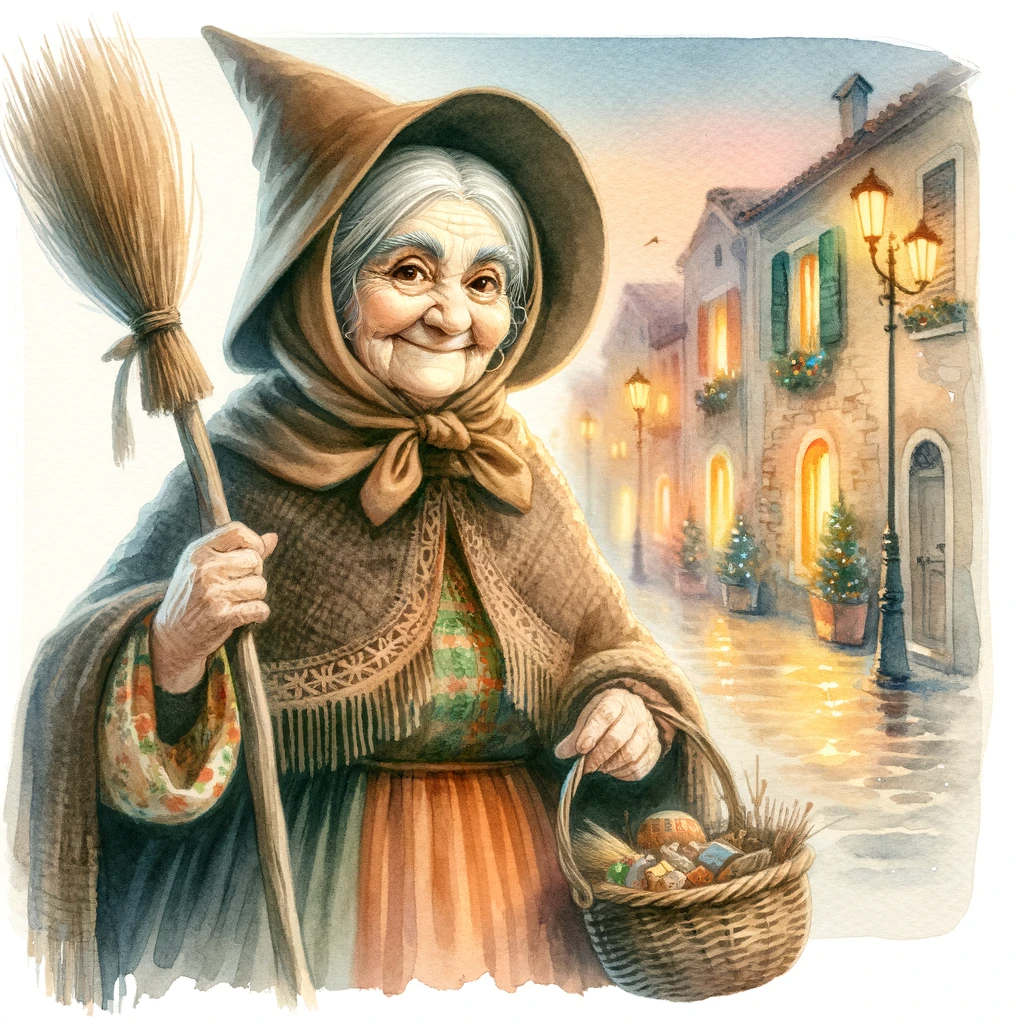
In Italy, children eagerly await La Befana, a kind witch who delivers gifts on Epiphany, January 6th. According to legend, she was too busy to join the Three Wise Men in their search for baby Jesus but later regretted it. Each year, she travels on her broomstick, leaving treats for well-behaved children and coal for those who misbehave!
4. The Feast of the Seven Fishes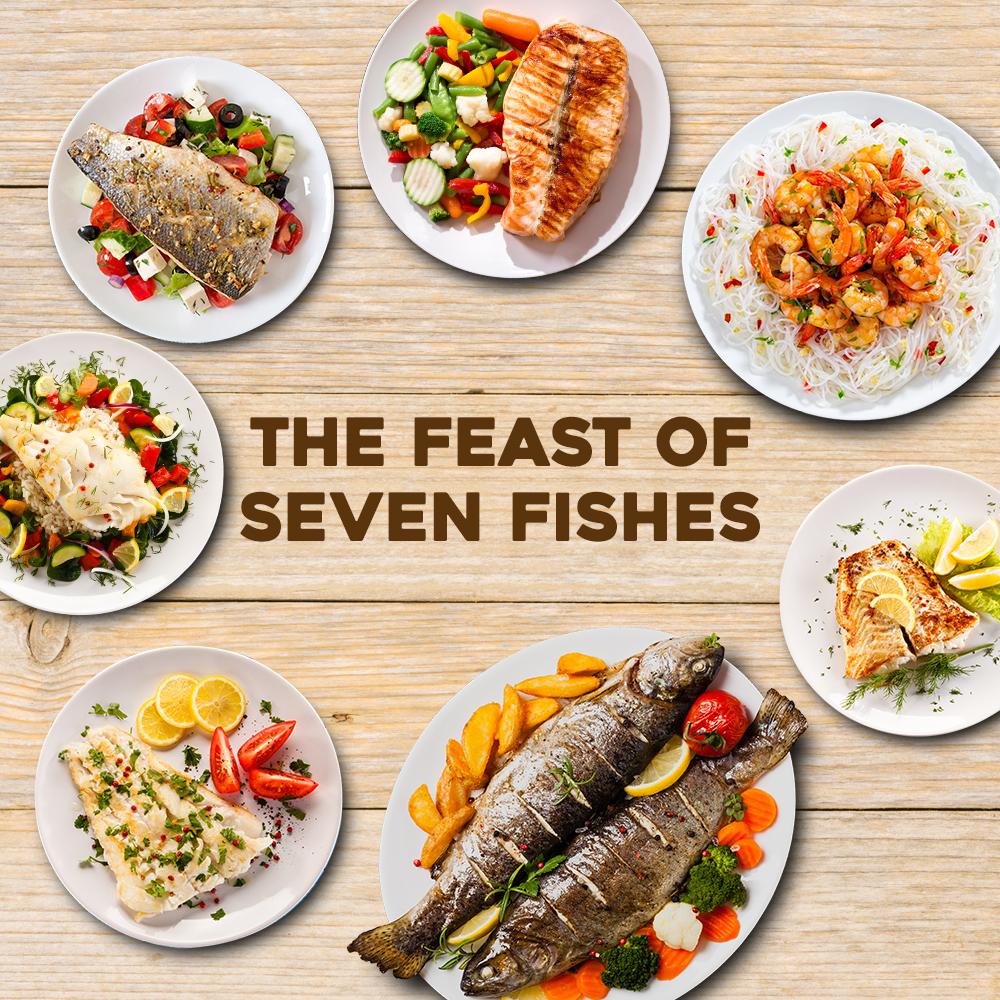
In many Italian-American households, Christmas Eve is celebrated with a grand seafood feast known as the Feast of the Seven Fishes. This tradition honors the Catholic practice of abstaining from meat on the eve of major feasts and includes a variety of fish and shellfish dishes.
5. The Yule Goat in Sweden
The Yule Goat, or "Julbock," is a popular symbol of Christmas in Sweden. Historically, it was believed that the goat would help deliver gifts. Today, giant straw goats are erected in towns as festive decorations, with the most famous being the Gävle Goat, which often attracts attention for its tendency to be vandalized or burned!
6. Christmas Markets in Germany
Germany is famous for its enchanting Christmas markets, known as "Weihnachtsmärkte." These markets feature stalls selling handcrafted gifts, festive foods, and warm beverages like Glühwein (mulled wine). The tradition dates back to the late Middle Ages, and today, they attract millions of visitors each year.
7. The Nativity Scene
The Nativity scene, depicting the birth of Jesus, has its roots in Italy with St. Francis of Assisi, who created the first live nativity in 1223. Today, nativity scenes are commonly displayed in homes and churches, symbolizing the true meaning of Christmas.
8. Christmas in Mexico
In Mexico, the celebration of Christmas extends from December 16th to January 6th, known as Las Posadas. This tradition involves reenacting Mary and Joseph's search for lodging. Each night, families visit different homes, singing carols and asking for shelter until they are welcomed in for a celebration. This culminates in a festive celebration on January 6th with the Día de los Reyes (Three Kings' Day).
Explore More About Christmas Traditions
If you're intrigued by these traditions and want to learn more, I recommend checking out some fantastic books on Christmas history:
- "The Battle for Christmas" by Stephen Nissenbaum - A deep dive into the origins of Christmas traditions.
- "Christmas: A History" by Judith Flanders - Explore the fascinating history and evolution of Christmas customs.
- "A Christmas Carol" by Charles Dickens - The classic tale that shaped many modern Christmas traditions.
Conclusion
As we celebrate this wonderful season, it's essential to remember the diverse traditions that make Christmas so special. Whether you’re decorating a tree, gathering around the table, or sharing gifts, each custom connects us to a rich history of love and joy. Let’s embrace these traditions and create our own memories this holiday season!
Comments
Post a Comment